Visual 3D vs textured 2.5D (what “3D wall printing” usually means)
When buyers search 3D wall printer or 3D wall printing machine price, they often imagine a wall that becomes physically sculpted. In practice, “3D” in wall printing usually means one of two things:
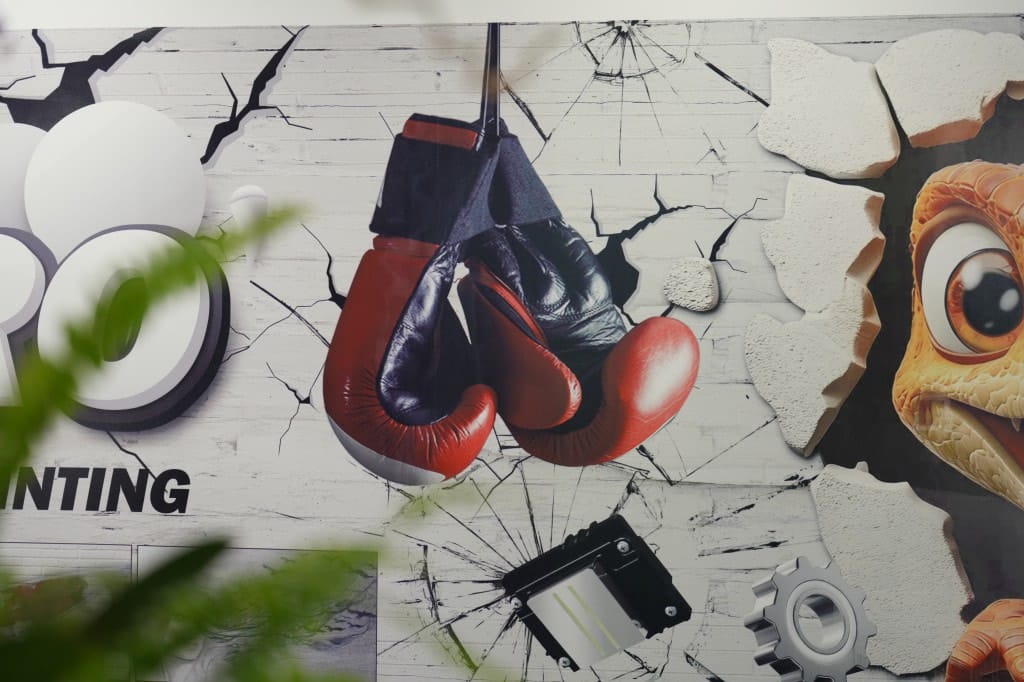
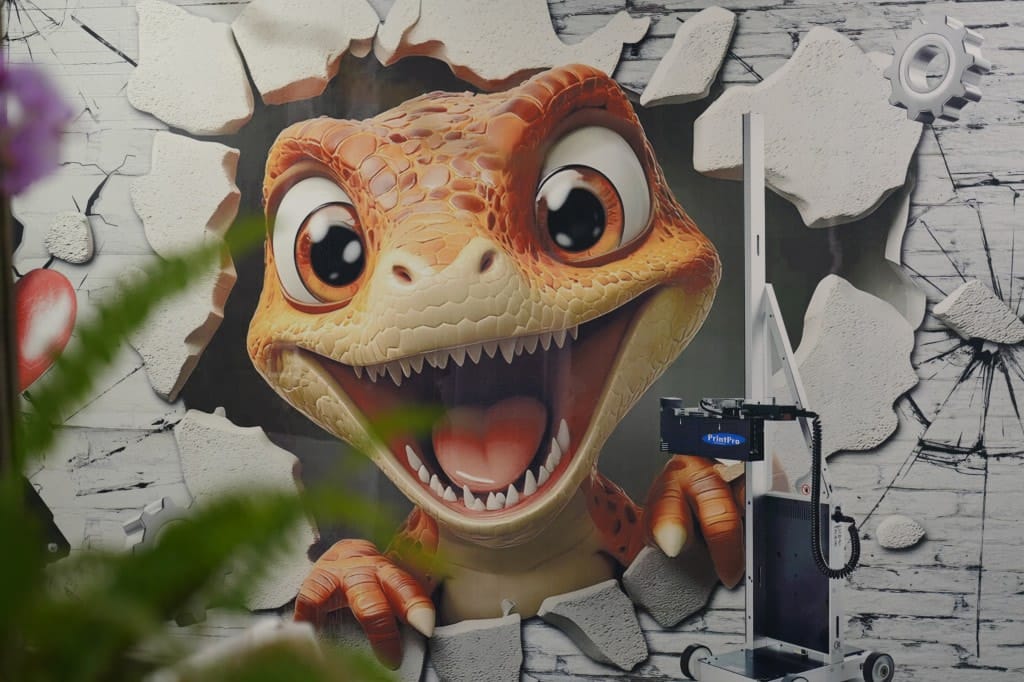
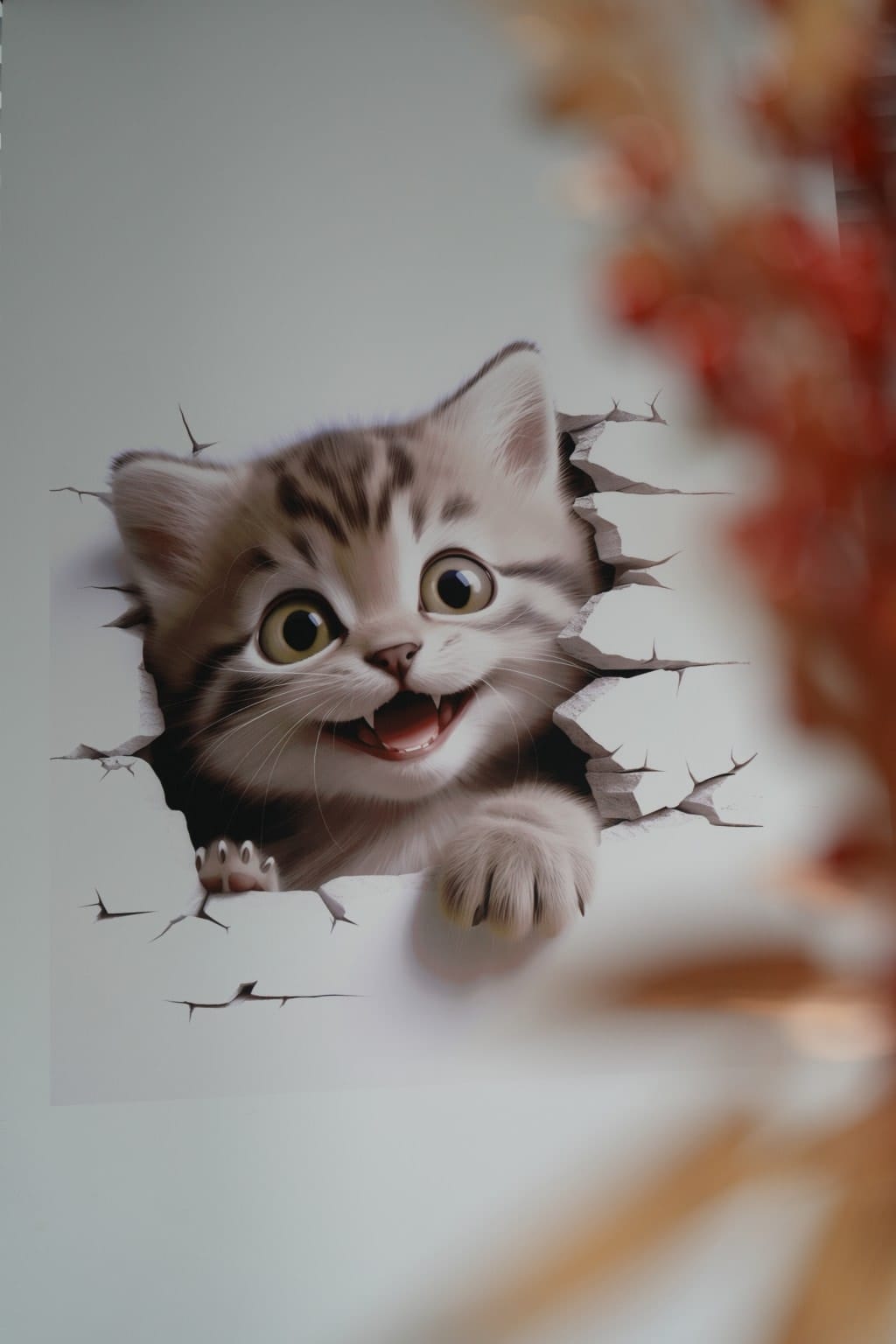
A) Visual 3D (optical depth on a flat wall)
This is not physically raised. It is visual depth created through design + print quality: shadows, perspective, gradients, and high-detail graphics. It looks impressive and is often the easiest “3D” product to sell because it requires no special tactile layering—just good files and a good workflow.
B) Textured 2.5D (raised effect you can feel)
This is the premium category. The machine builds ink layers in selected areas to create a tactile relief. Many workflows use a white-ink base strategy to build height, then print color on top. This can create raised logos, faux oil painting textures, or embossed highlight areas.
Internal link White ink workflow (for 2.5D layering) →The workflow: test patch + layering + QC (no shortcuts)
3D/2.5D work is less forgiving than standard murals. A repeatable workflow is essential. This is where a reliable wall printing machine setup and disciplined operators protect your ROI.
- Choose texture zonesDefine where the raised effect will appear (logo edges, highlight elements).
- Run a test patchConfirm adhesion, appearance, and “feel.”
- Layer buildApply tactile layers carefully (time and QC matter).
- Color print on topEnsure alignment stays perfect.
- Final QCCheck under normal lighting and from typical viewing distance.
- HandoverDocument the result with close-ups (great marketing asset).
What affects 3D wall printing cost
If someone asks, “Is 3D wall printing more expensive?” the honest answer is: usually yes, because you are selling a premium experience and spending more time controlling the output.
Cost is influenced by
- whether you do visual-only or tactile 2.5D
- white ink workflow maturity
- stability and repeatability (premium clients can’t accept drift)
- operator skill and QC time
- wall surface difficulty (texture + dust + moisture risk)
How to sell 3D as an upsell (package ideas that convert)
If you want a simple, profitable approach, don’t sell “3D.” Sell outcomes.
Upsell Option 1: Raised Logo Upgrade
Best for: offices, gyms, retail brand walls
Offer: raised logo edges or highlight layers
Why it sells: clients can feel “premium,” easy to understand
Upsell Option 2: Signature Wall Pack
Best for: hotels, showrooms, premium cafés
Offer: tactile hero elements + high-detail visual depth
Why it sells: it becomes the venue’s “photo wall”
Upsell Option 3: Art Texture Pack
Best for: galleries, themed venues, cultural spaces
Offer: faux oil painting texture or embossed patterns
Why it sells: it looks like art, not “a print”
Always include a test patch in premium packages. It reduces disputes and builds confidence.
Wall Printer quote checklist Send These 7 Items
- Country + city
- Typical wall height range
- Typical job size
- Main wall surfaces
- Indoor only or indoor + outdoor
- Dark walls needed?white ink yes/no
- Power standard
CTA: Send your wall surface + design style → 3D feasibility + recommended workflow + quote.
Get a quote