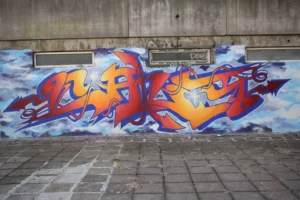
Concrete can print beautifully — if you treat it correctly
Concrete walls are common in warehouses, studios, factories, and modern retail. The difference between a clean durable mural and a failed print is usually prep + test patch + distance control.
CTA: Send a concrete wall photo + tell us if it’s sealed. We’ll recommend the right workflow. If you’re comparing machine options, start here: wall printer.
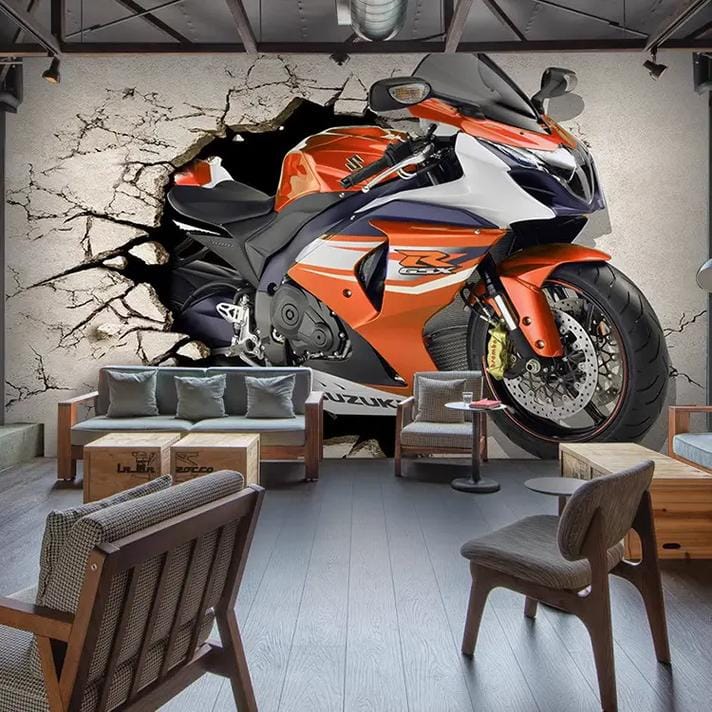
Concrete walls: sealed vs raw (why it matters)
Printing on concrete is common in commercial spaces—warehouses, studios, factories, and modern retail. But concrete can behave very differently depending on whether it is sealed or raw/porous.
Sealed concrete
Sealed concrete is generally more consistent and easier to print on because the surface is more stable and less absorbent. It tends to produce cleaner edges and more predictable color.
Raw (porous) concrete
Raw concrete can be dusty and porous. Dust in the surface can weaken adhesion, and porosity can cause uneven appearance—especially for photos and gradients— if you skip prep.
So when someone asks “Can I print on concrete walls?” the real answer is: Yes—if you treat concrete correctly. For service businesses, treating concrete correctly is how you protect schedule reliability and long-term ROI.
Prep checklist (dust, porosity, moisture)
Concrete prep is less about “making it pretty” and more about creating a stable surface. If you run a concrete wall printing machine job on a dusty wall, the output can fail even if your print settings are perfect.
Concrete wall prep checklist
- Dust removalDo a wipe test with a dark cloth. If the cloth turns gray fast, you must clean more.
- Moisture checkAvoid printing on damp surfaces. Moisture can weaken adhesion and cause appearance issues.
- Porosity awarenessRaw concrete can absorb unevenly. Expect more variability vs sealed walls.
- Stability checkNo flaking layers. If the surface is chalky, printing directly is high risk.
If the wall is chalky, consider sealing/priming before printing. This can turn a risky wall into a printable wall. (Always confirm with a test patch.)
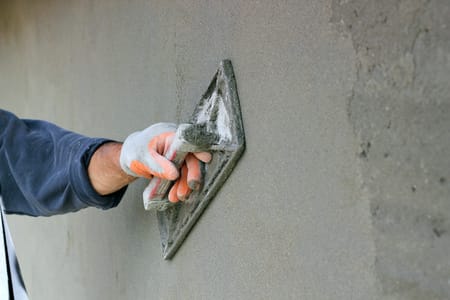
Design rules for concrete (industrial look vs crisp logos)
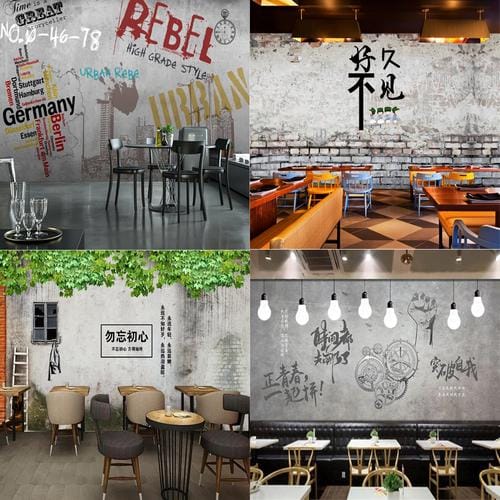
Concrete can look premium when you design with it. Many modern brands intentionally choose concrete as a backdrop because it feels industrial and authentic. The trick is to pick a design style that matches the surface type (sealed vs raw).
Best design styles for concrete
- bold logos and typography
- geometric patterns
- “industrial minimal” layouts
- high-contrast murals
Design caution (especially on raw concrete)
Photos and gradients can look uneven on porous raw concrete because the surface changes from section to section. If you must do photos, run a test patch early and manage expectations with close-up proof.
Need bright brand colors on dark or colored concrete? White ink can help. See: /wall-printer/white-ink/
Workflow tips (distance control + test patch)
Concrete walls often have small surface variations. That makes distance control important. A reliable workflow reduces drift, banding, and rework — and makes output predictable for repeat clients.
Level the base
Leveling is the foundation. Small errors show up more on textured or variable surfaces.
Confirm distance
Concrete texture can change distance quickly. Consistent distance reduces edge softness and head-strike risk.
Run a test patch
Include small text, a gradient, and a solid color block. On raw concrete, test patch is the safest path to avoid disputes.
Adjust settings if needed
Slow down when the surface variability is high. Stability wins over speed on risky walls.
Print full mural + final QC
Check output under normal lighting. Then document with close-up photos for handover and marketing.
Workflow deep-dive support: wall-printing-workflow
Durability and protection options
Concrete is often used in high-traffic environments. That means scuffs can happen. If the project is in corridors, near loading areas, or in public spaces, it’s smart to offer protection options upfront.
- Protective coating add-onRecommended for corridors and touch-prone areas.
- Maintenance/refresh planFor commercial spaces that update branding or seasonal visuals.
- Clear cleaning guidanceClients often use harsh cleaners—tell them what to avoid.
Pricing and quoting tips for concrete projects
Concrete jobs may include extra surface prep, test patch time, and sometimes sealing/priming service. That means your quote should reflect risk and labor — not just square meters.
A practical quote structure
Total = minimum charge + (area × unit price) + surface complexity add-on (if needed) + optional protection add-on
This structure keeps pricing explainable and protects your margin when walls are dusty, porous, or high-risk.
Wall Printer quote checklist Send These 7 Items
- Country + city
- Typical wall height range
- Typical job size
- Main wall surfaces
- Indoor only or indoor + outdoor
- Dark walls needed?white ink yes/no
- Power standard
CTA: Send a concrete photo + sealed/raw info → workflow recommendation + quote.
Get a quote