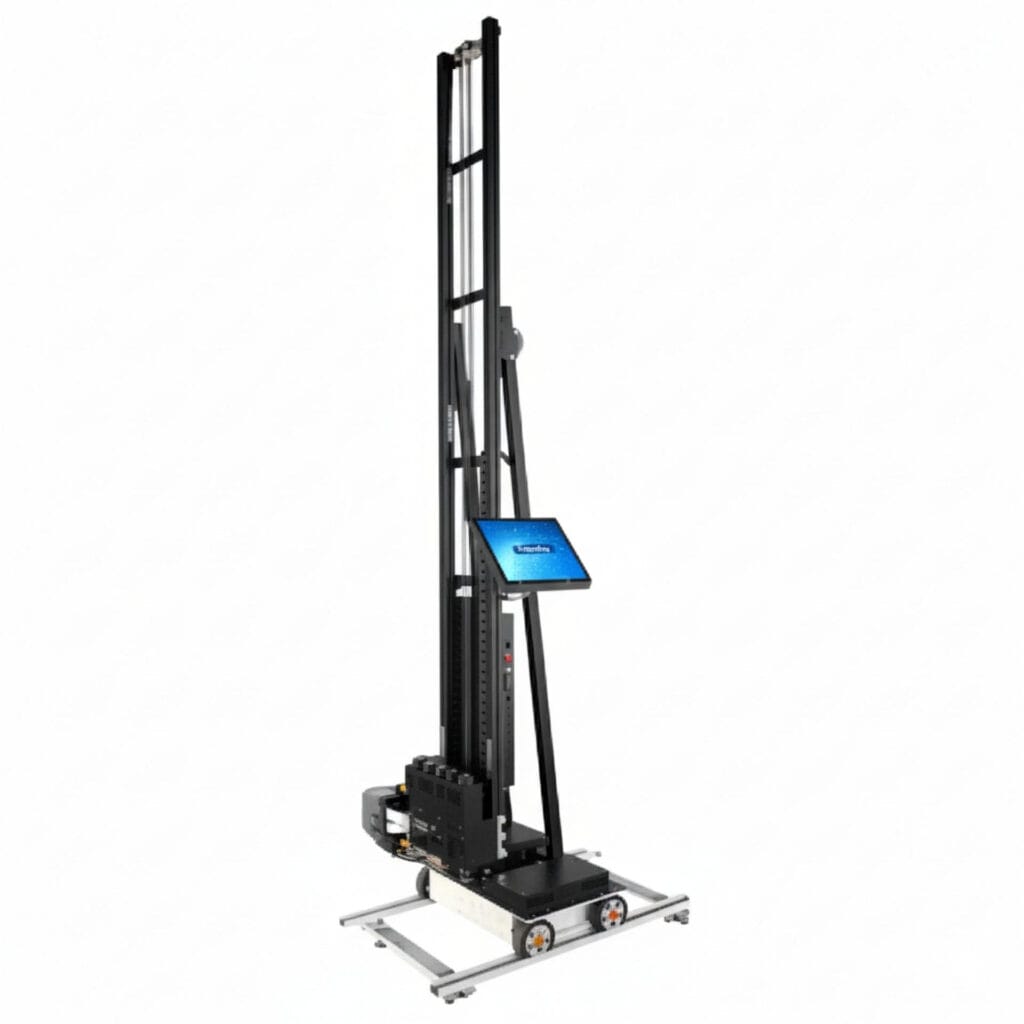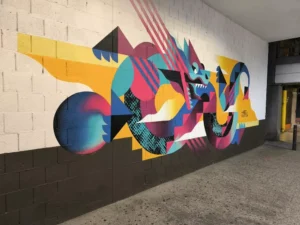
A vertical wall printer can be a great tool for murals and brand walls—but only if you choose based on real project needs. Many buyers get stuck comparing headline specs (like “max resolution”) when the real success factors are stability, workflow repeatability, and support readiness.
This guide clarifies:
- what a vertical wall printer is best used for,
- what to compare (the 5 specs that decide jobsite results),
- and what checklists to use so you don’t buy the wrong setup.
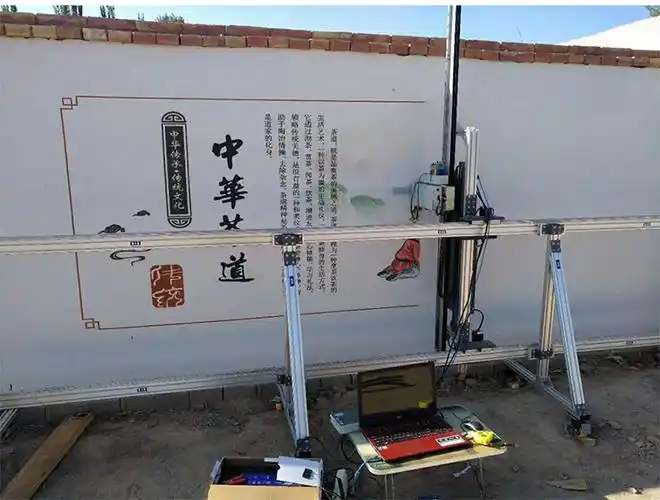
1.Vertical wall printer: what it is and who it’s for
A vertical wall printer prints directly onto walls, typically used for:
- custom murals and patterns,
- logo/brand walls,
- signage graphics and backdrops.
It’s a strong fit if you:
- do on-site murals regularly,
- want faster delivery than wallpaper/vinyl installation,
- want the flexibility to print one-off custom designs.
It may be a poor fit if you expect “zero prep” or if you refuse structured workflow steps—because walls are not standardized surfaces.
2.Vertical wall printer pros and cons (real jobsite reality)
2.1 Pros
- Fast for one-off custom projects
- Fewer seam/bubble issues than film installs
- High visual impact for commercial spaces
- Easier to refresh and update seasonal campaigns
2.2 Cons
- Surface prep is still required (dust/texture/paint condition)
- Stability and alignment decide quality more than spec-sheet resolution
- Dark walls may require white-ink workflow and more time
- Jobsite constraints (tight spaces, uneven floors) add variability
3.Vertical wall printer comparison: 5 specs that actually matter
3.1 Your typical wall height
Choose by what you print weekly (2.5m vs 3m+), not only “maximum height.”
3.2 Alignment stability
Ask how drift is controlled and how continuity is maintained. Thin lines and small text reveal this quickly.
3.3 Calibration workflow
A repeatable calibration routine reduces rework. If calibration is unclear, your output becomes inconsistent from job to job.
3.4 Dark wall workflow (white ink)
If you print on dark walls, confirm:
- required steps,
- added time,
- and how halo/bleed is prevented on real surfaces.
3.5 Support + spare parts readiness
Ask support response time in hours and what spare parts are recommended for your expected workload.
4.Best vertical wall printer use cases (projects that convert well)
- Retail brand walls and photo backdrops
- Office reception walls (logo + typography)
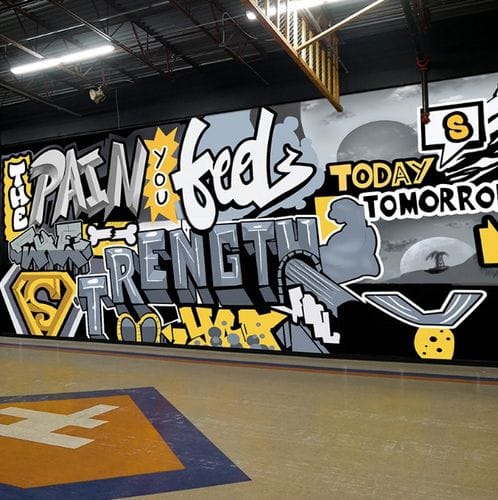
- Gyms and studios (motivational graphics)
- Restaurants/cafés (feature walls and “check-in corners”)
- Events and pop-ups (fast turnarounds)
A simple rule: the more your client values visual impact + speed, the stronger the use case.
5.Quote checklist (copy/paste to get comparable offers)
Send these 7 items:
- Shipping destination (Country, City)
- Power standard (Voltage + plug type)
- Typical wall height range
- Typical job size + jobs per month
- Main surfaces
- Indoor/outdoor
- Dark walls needed? (white ink yes/no)
Strong internal link: if you’re ready to buy, go to
/wall-printer-for-sale/.6.Practical note: where Printava fits
In practice, buyers get better results when the configuration matches real job constraints (height, surfaces, dark-wall needs) and the supplier provides a repeatable workflow: setup guidance, maintenance SOP, and a realistic spare-parts plan. Printava typically focuses on that “operator-first predictability,” which helps reduce rework and makes delivery timelines easier to control.