Searching used wall printer for sale usually means one thing: you want to save upfront cost. That can work—but used equipment becomes expensive fast if you inherit hidden problems, missing parts, or weak support.
This guide helps you buy used safely by giving you:
- a step-by-step purchase order (what to verify first),
- a demo + test pack checklist,
- red flags that should make you walk away,
- and shipping/crating precautions that protect your money.

1. Used wall printer for sale: when it’s worth it (and when it isn’t)
Used can be worth it if:
- the machine has maintenance history and usage clarity,
- you can see a live demo (not edited clips),
- you can print your own test pack,
- parts and support are still available,
- and crating/shipping is handled professionally.
Used is usually not worth it if:
- the seller refuses close-ups and test packs,
- support is unclear or discontinued,
- the machine has been stored poorly (dust/humidity),
- or the shipping plan is vague.
Sometimes a “cheaper” used wall printer machine becomes more expensive than new after rework, downtime, and replacement parts.
2. The safe buying order (do not skip steps)
Follow this order to reduce risk:
2.1 Ask the right history questions
- How long has it been used?
- What type of jobs (daily vs occasional)?
- Any replaced parts? Any recurring defects?
2.2 Require a live demo
A seller who refuses a live demo is not a seller you should pay.
2.3 Print your standardized test pack
If they won’t print your files, you can’t compare.
2.4 Confirm parts and support
Ask what spare parts are available and typical lead time.
2.5 Confirm crating + insurance
Shipping is where used machines get damaged.
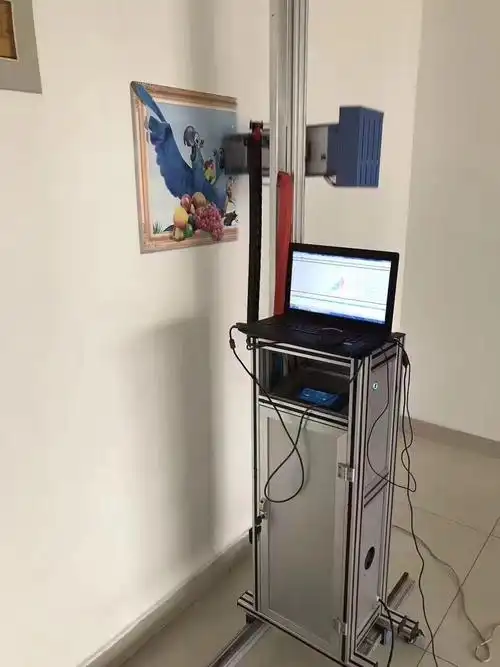
3. Demo + test pack requirements (proof you need)
Require:
- nozzle check evidence,
- gradient test (banding reveals quickly),
- thin line test (drift reveals quickly),
- small text test,
- pause/resume seam close-up.
Ask for both:
- close-up photos under normal lighting,
- and a short video pan across the printed area.
4. Red flags (walk away)
- “Only photos, no live demo”
- Avoids gradients or close-ups
- “Includes everything” but refuses a written list
- No support response time, vague warranty
- No parts plan or unclear supply chain
- Crating plan is “we’ll pack it” with no photos/examples
A safe used purchase requires proof and documentation.
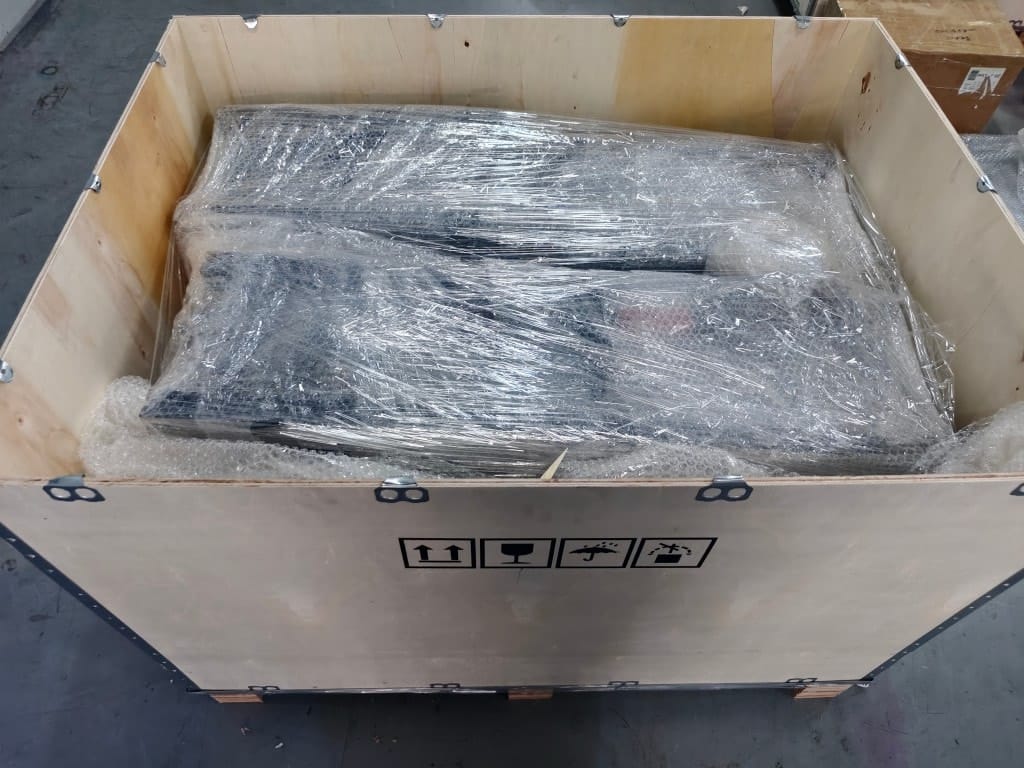
5. Shipping/crating risks (protect your investment)
Used equipment is more vulnerable to:
- shock damage,
- loose components,
- moisture/dust contamination.
Ask for:
- crating photos,
- shock protection details,
- insurance confirmation and claims process,
- packed size/weight.
If the seller can’t show you how they crate machines, assume higher risk.
6. Practical note: where Printava fits
If used options feel risky, new equipment with clear configuration matching and a predictable support plan can reduce downtime surprises. Printava typically focuses on workflow repeatability and support readiness—setup guidance, maintenance SOP, and spare parts planning—useful if you’re buying for commercial service work where missed deadlines cost real money.