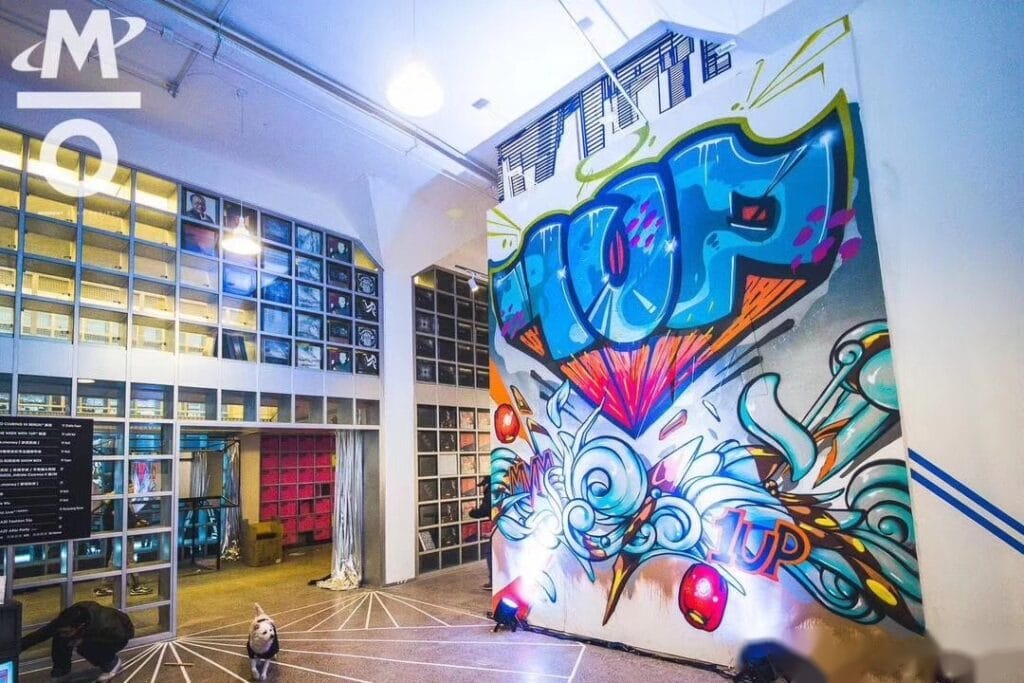
Wall mural printing is one of the fastest ways to transform a space—homes, cafés, offices, gyms, hotels. But successful wall mural printing isn’t just about the artwork. It’s about a workflow that controls three things: surface condition, file readiness, and on-site repeatability.
This guide is designed for both:
- buyers hiring a mural printing service, and
- operators planning to deliver murals regularly.
1. Wall mural printing: what clients should expect
A professional wall mural project typically includes:
- measuring the wall accurately,
- inspecting the surface condition,
- prepping and protecting the area,
- printing a test patch,
- producing the final mural with quality checks,
- and confirming cleaning/durability expectations.
Most bad outcomes come from skipping prep and test patches, especially on textured walls or dusty paint.
2. End-to-end mural workflow (measure → file → prep → test → print)
2.1 Measure correctly
Record:
- wall width and height,
- obstacles (outlets, trims, doors),
- any uneven areas that could affect alignment.
2.2 Prepare the file properly
Common file issues that cause “bad prints”:
- wrong scale,
- low resolution,
- missing bleed/safe margins,
- fonts not outlined.
If you don’t want surprises, confirm file specs before the job day.
2.3 Prep the surface (the real hidden cost)
Surface prep may include:
- cleaning dust and grease,
- sealing porous areas,
- dealing with texture limitations,
- confirming paint has fully cured.
2.4 Print a test patch
A test patch verifies:
- adhesion,
- color under real lighting,
- surface texture impact.
2.5 Print and finish
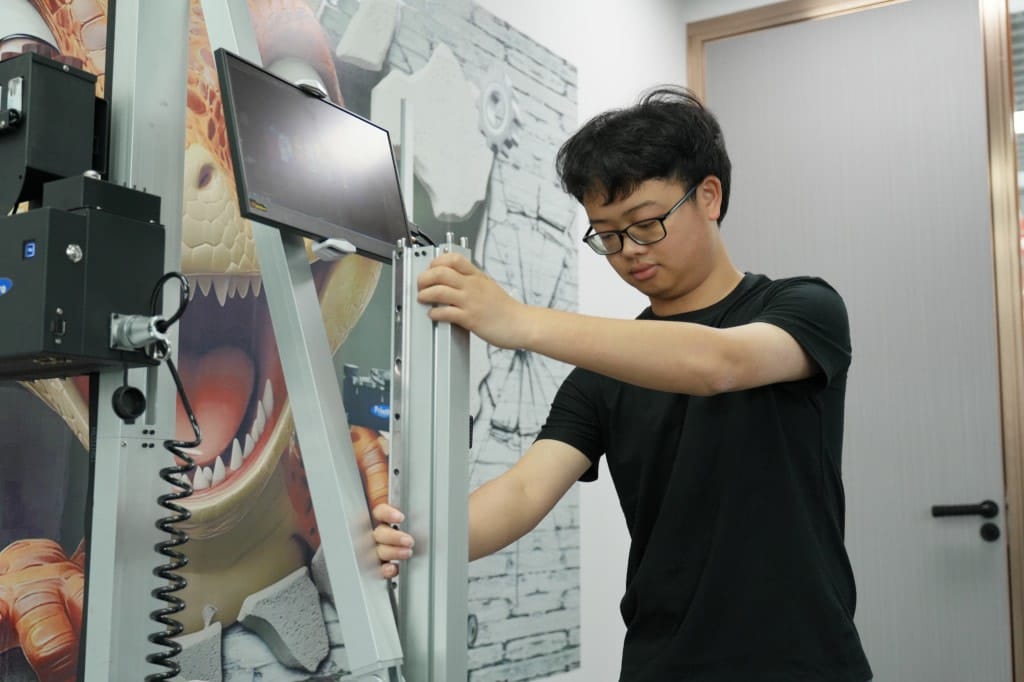
During printing, the operator should monitor:
- edges,
- gradients,
- continuity and alignment,
- and any mid-job adjustments.
3. Pricing drivers (what actually changes the quote)
Mural pricing is usually driven by:
- total area (m²),
- surface type and prep time,
- dark walls (white ink workflow adds steps),
- access constraints (stairs/furniture/tight spaces),
- schedule constraints (night work / rush jobs),
- file complexity and revisions.
A quote that doesn’t mention surface prep or access constraints may be incomplete.
4. Hiring a service vs buying equipment (simple ROI thinking)
If murals are occasional, hiring a service is often the best choice.
If you print regularly (monthly or more) and want faster turnaround and better margin control, owning equipment can make sense—especially if you standardize workflow and quote intake.
Strong internal link: if you’re ready to buy a setup →
/wall-printer-for-sale/.5.Copy/paste quote template (for clients)
Provide:
- location and deadline,
- wall size + photos,
- surface type (smooth/texture/brick/tile),
- indoor/outdoor,
- cleaning/durability expectation,
- dark wall needs,
- access constraints.
A standardized template makes quotes comparable and reduces back-and-forth.
6.Practical note: where Printava fits
For teams delivering murals regularly, predictable workflow matters more than hype features. Printava typically matches configuration to your common wall heights and surfaces, then supports it with setup guidance, maintenance SOP, and a starter spare-parts plan. That usually helps reduce rework and keeps schedules more predictable—especially on customer sites.