Non-absorbent surfaces need a different discipline
Tile and glass can look extremely crisp with UV printing — but the success rate depends more on degreasing + test patch than on “machine specs.”
CTA: Send a close-up tile/glass photo and tell us the location (bathroom/kitchen/lobby). We’ll recommend the workflow. If you’re comparing configurations, start here: wall printer.
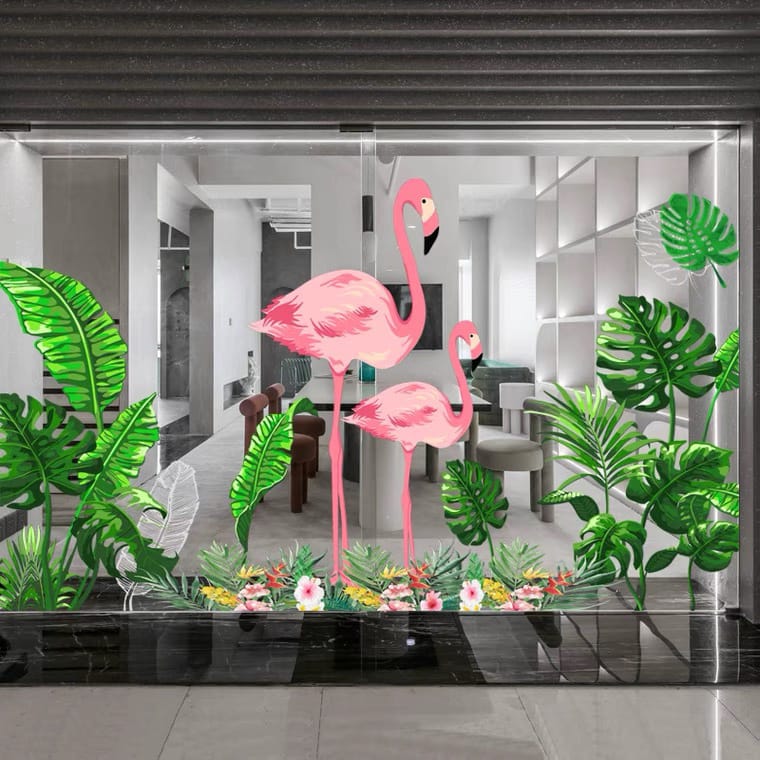
Can wall printers print on tile and glass?
Yes — many wall printing workflows can print on tile and glass, especially with UV curing. Tile and glass are common in:
- restaurants and kitchens
- bathrooms and spas
- lobbies and feature walls
- decorative panels and partitions
However, these are non-absorbent surfaces. That means surface prep becomes more critical than on drywall. On absorbent walls, ink can “grab” a little. On tile and glass, contamination can make adhesion fail.
If you run a daily service using a wall printing machine, tile/glass jobs can be high-margin because the output looks premium — but only when you control risk properly.
The #1 rule: degreasing and surface prep
The most common reason for failure on tile and glass is not “the printer.” It’s oil and contamination. Tile and glass surfaces often have:
- fingerprints
- cleaning residue
- kitchen oil
- silicone edges or coatings
Your top rule
Degrease thoroughly, then test patch.
A practical prep routine (simple, repeatable)
- Clean with an appropriate degreasing methodRemove oils, residues, and fingerprints.
- Dry completelyMoisture can interfere with bonding and appearance.
- Avoid touching the area with bare hands afterwardRe-contamination happens fast.
- Run a test patch before committingYour “insurance step” for non-absorbent surfaces.
Workflow support deep dive: wall-printing-workflow
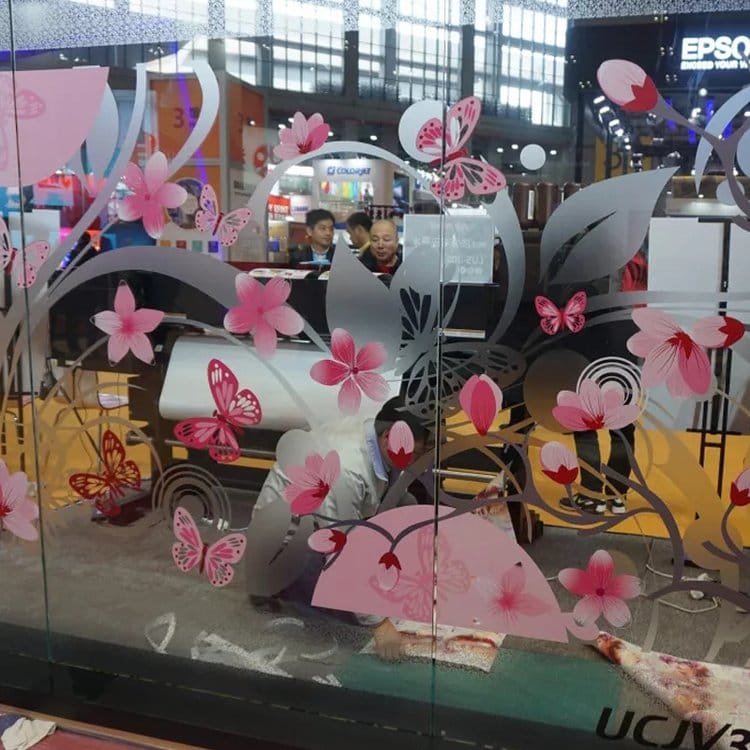
Design ideas that look premium on tile/glass
Tile and glass can look extremely crisp because the surface is smooth and consistent (when clean). This makes them excellent for:
- logos and typography
- clean icons and wayfinding
- minimal patterns
- “luxury” line art
Design tip that sells
For kitchens and bathrooms, simpler high-contrast designs often “read” better at a distance and survive cleaning routines more gracefully. If the surface is dark tile or tinted glass, white ink helps brightness.
/wall-printer/white-ink/ (bright colors on dark surfaces) →Test patch checklist for non-absorbent surfaces
A test patch is mandatory for tile and glass because adhesion issues can be invisible until you touch, wipe, or clean the surface later. If the test patch fails, you save yourself a full-wall failure.
A strong test patch should include
- sharp text edges
- a solid color block
- a gradient
- a small logo area
Check these results
- adhesion after curing
- color consistency
- whether cleaning residue caused uneven bonding

Durability and cleaning expectations
Tile and glass often live in wet or frequently cleaned environments. Set realistic expectations upfront: durability depends on prep, location, and cleaning habits.
- Avoid harsh chemical cleaners on printed areasStrong chemicals and aggressive scrubbing can damage prints.
- Provide simple care notesTell clients how to wipe and what to avoid.
- Consider protective finishing solutions if neededEspecially for high-touch or high-visibility areas.
Practical selling note: if the job is in a lobby or other premium area, add a stricter QC step. It’s easier to justify a premium price than to fix a failure.
Pricing and quoting considerations
Tile/glass jobs may include more prep time, more risk control, and a more important test patch step. That’s why pricing should reflect responsibility — not just square meters.
Common quote add-ons for tile/glass
- Surface complexity add-on (degreasing + careful workflow)
- Premium QC step (especially in high-visibility lobbies)
- Test patch approval (reduces disputes and protects margin)
A clean workflow prevents rework — which is the fastest way to protect long-term ROI.
Wall Printer quote checklist Send These 7 Items
- Country + city
- Typical wall height range
- Typical job size
- Main wall surfaces
- Indoor only or indoor + outdoor
- Dark walls needed?
- Power standard
CTA: Send tile/glass close-up photo + location → workflow recommendation + quote.
Get a quoteOr use the quick form: /get-quote/