Three mural methods, three different risk profiles
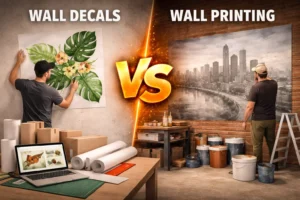
When a customer says “I want a mural,” they might mean three different solutions: wall printer (direct-to-wall / DTW), a wallpaper mural, or vinyl decals/wrap. The best choice is not about hype — it’s about the method whose risks you can control best for your wall.
CTA: Send your wall photos + your goal (premium look vs removable). We’ll recommend the best method and quote. See finished examples: /gallery/
The real difference: production method and failure modes
The easiest way to compare these solutions is to compare how they are made and how they fail. A mural can look “perfect” on day one, but long-term satisfaction is about avoiding the common failure points.
Wall printing (DTW)
How it’s made: printed directly on the wall on-site with a wall printer.
Failure modes: banding, adhesion issues, soft edges on heavy texture if setup/prep is wrong.
Wallpaper mural
How it’s made: printed on wallpaper and installed in panels.
Failure modes: seams visible, bubbles, panel misalignment, edge peeling, moisture sensitivity.
Vinyl decals/wrap
How it’s made: graphics printed/cut on vinyl and applied to the wall.
Failure modes: edge lift, wrinkles, joins on large areas, adhesive weakening from heat/cleaners.
Decision rule
The “best” method is the one whose failure modes you can control best for your wall and environment.
Workflow expectations: /wall-printing-workflow/
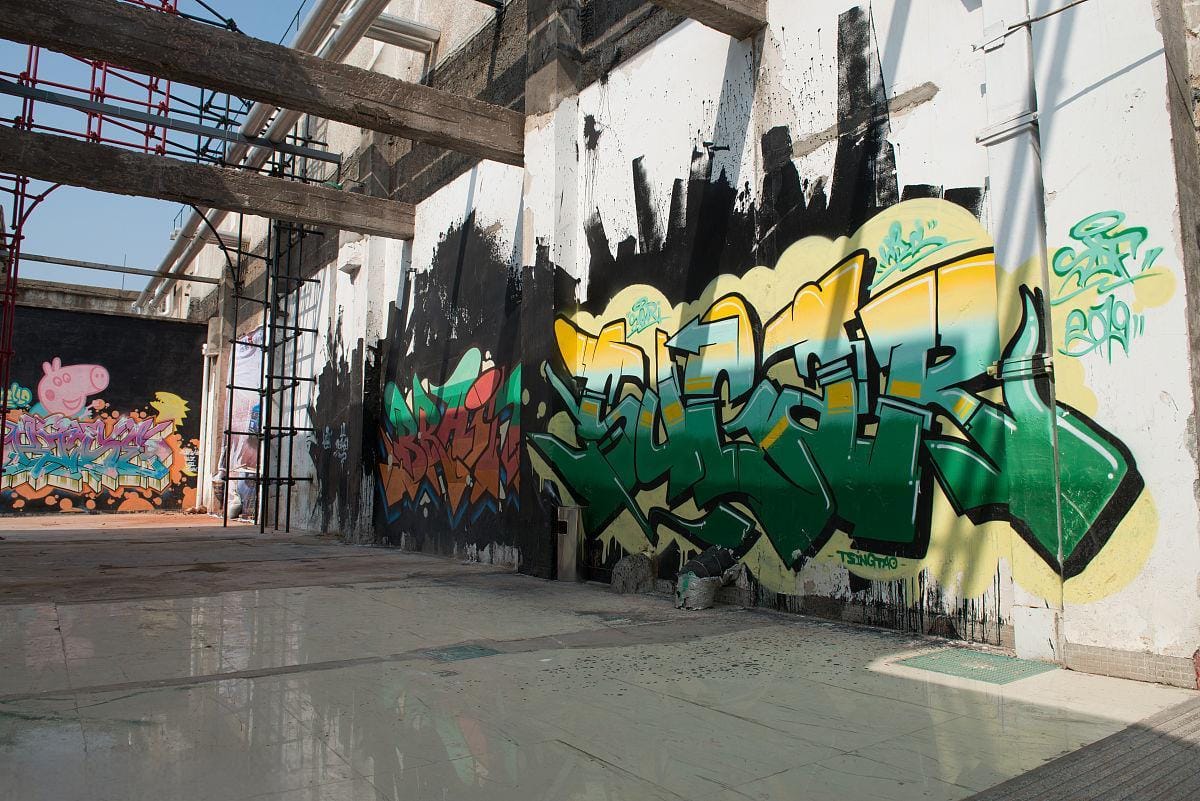
Visual quality and seams (why clients notice)
Wall printing is naturally seamless. That’s one of the biggest reasons it feels premium: the mural reads as one continuous piece of art.
Wallpaper murals often require multiple panels. Even great installers can’t fully eliminate seams in some lighting. In hotels, lobbies, and high-end retail, seams are often the first thing people notice.
Vinyl decals can look clean for logos, icons, and simple shapes. But large vinyl murals may show joins, wrinkles, and edge lift over time — especially in high-traffic areas.
If the wall is very large and very visible, wall printing usually wins on premium perception.
See real results: /gallery/
Time on site: install vs print
For businesses that want minimal downtime (restaurants, offices), time on site matters as much as finish quality.
Wall printing
Setup + leveling + test patch + printing + cleanup. Many projects can be completed in a single visit when the wall is ready. This is why wall printing is popular for fast commercial refresh.
Wallpaper
Wall prep + adhesive work + panel alignment + trimming + drying time. Installation can be fast with a skilled team, but mistakes create rework and visible seams.
Vinyl
Surface cleaning + alignment + application + squeegee work (+ post-heating in some cases). Large vinyl can be time-consuming and is highly dependent on installer skill.
Service scope expectations: /wall-printing-service/
Durability and cleaning expectations
Durability depends on wall surface and environment, but here’s a practical view:
- Wall printing (UV)Often durable indoors; high-traffic walls may need an optional protective finish.
- WallpaperSome types are durable, but seams and edges remain weak points. Water exposure and repeated cleaning shorten life.
- VinylVinyl is tough, but edges can lift. Aggressive cleaners and heat can weaken adhesives over time.
High-traffic rule
In corridors, gyms, kids areas, and public spaces, consider a protection add-on no matter the method. It’s often cheaper than rework.
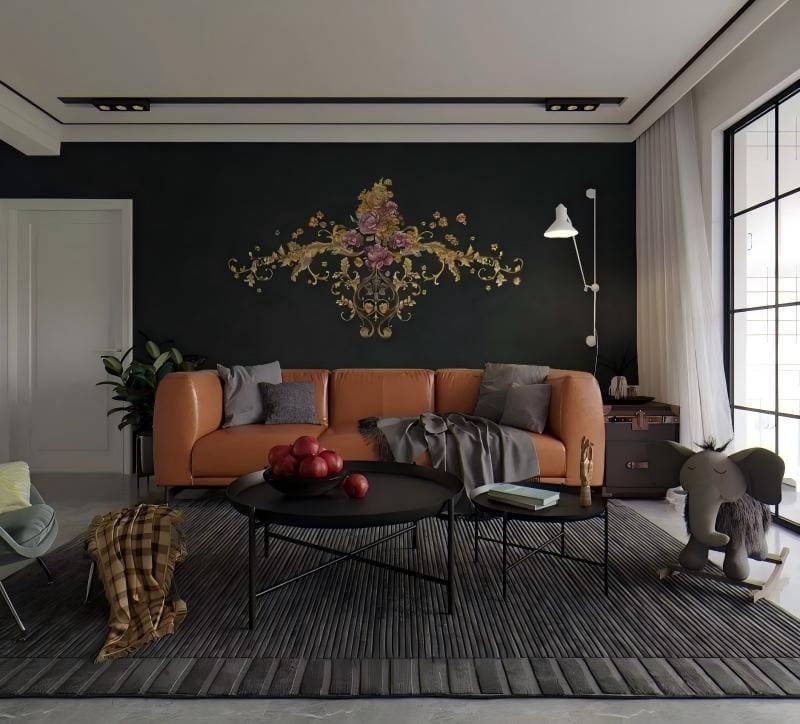
Cost logic (what you’re actually paying for)
Clients think they pay for “materials,” but they mostly pay for:
- labor time
- skill and risk control
- rework prevention
Wallpaper
Material + install labor (panel alignment, trimming, drying risk).
Vinyl
Material + application labor (often high labor for big areas).
Wall printing
On-site production (machine time + operator discipline + workflow).
Pricing reference: /wall-printer/price-guide/
Best use cases: when each wins
Wall printing is best when:
- you want a premium seamless mural
- you want fast, on-site delivery
- you want high impact for branding walls and photo zones
- you plan frequent seasonal refresh walls
Wallpaper is best when:
- you want removability and standardized interior finishing
- the wall is not suitable for printing (unstable paint, moisture risk)
- the client already has a wallpaper installer team
Vinyl is best when:
- you want logos, icons, and simple signage
- you need removability and quick rebranding
- the wall is smooth and clean, and the design is not huge
Internal link for workflow expectations: /wall-printing-workflow/
See examples: /gallery/
Printava recommendation: when direct-to-wall is the right choice
If your priority is premium seamless murals with fewer installation failure points, a direct-to-wall solution is usually the most straightforward. For Printava projects, here’s a simple selection logic:
Printava (PrintPro) Portable Wall Printer (wall-focused)
Best for brand walls, murals, cafés, offices, and homes where wall output is your core product.
Printava (PrintPro) Portable Wall & Floor Printer (wall + floor)
Best if you want to upsell floor graphics (wayfinding, event floors) and increase average order value.
Risk-control features that matter in real installs
- Laser cross positioning to align logos and key layout points
- Mosaic seam-style workflow for long walls and continuous visuals
- Data recovery / resume printing for unexpected interruptions
These are exactly the kind of tools that matter when clients pay for premium results.
Explore options: /wall-printer/
Get a recommendation + quote: /get-quote/
Wall Printer Quote Checklist Send These 7 Items
- Country + city
- Typical wall height range
- Typical job size
- Main wall surfaces
- Indoor only or indoor + outdoor
- Dark walls needed?
- Power standard
CTA: Send wall photos + your goal → best method recommendation + quote.
Quick form: /get-quote/