What you really want to know about wall printer ink
Ink choice matters — but workflow + surface prep decide whether results stay consistent and profitable.
If you’re comparing a wall printer or running a wall printing machine service, use this guide to avoid durability surprises.
What “wall printer ink” usually means
When people search wall printer ink or UV ink for wall printer, they’re usually asking:
- Will the ink work on my wall surface (drywall, brick, concrete, tile, glass, wood)?
- Will colors look bright on dark walls?
- How durable is the output (scratch, water, sunlight fade)?
- Is the ink low odor and safe for indoor spaces?
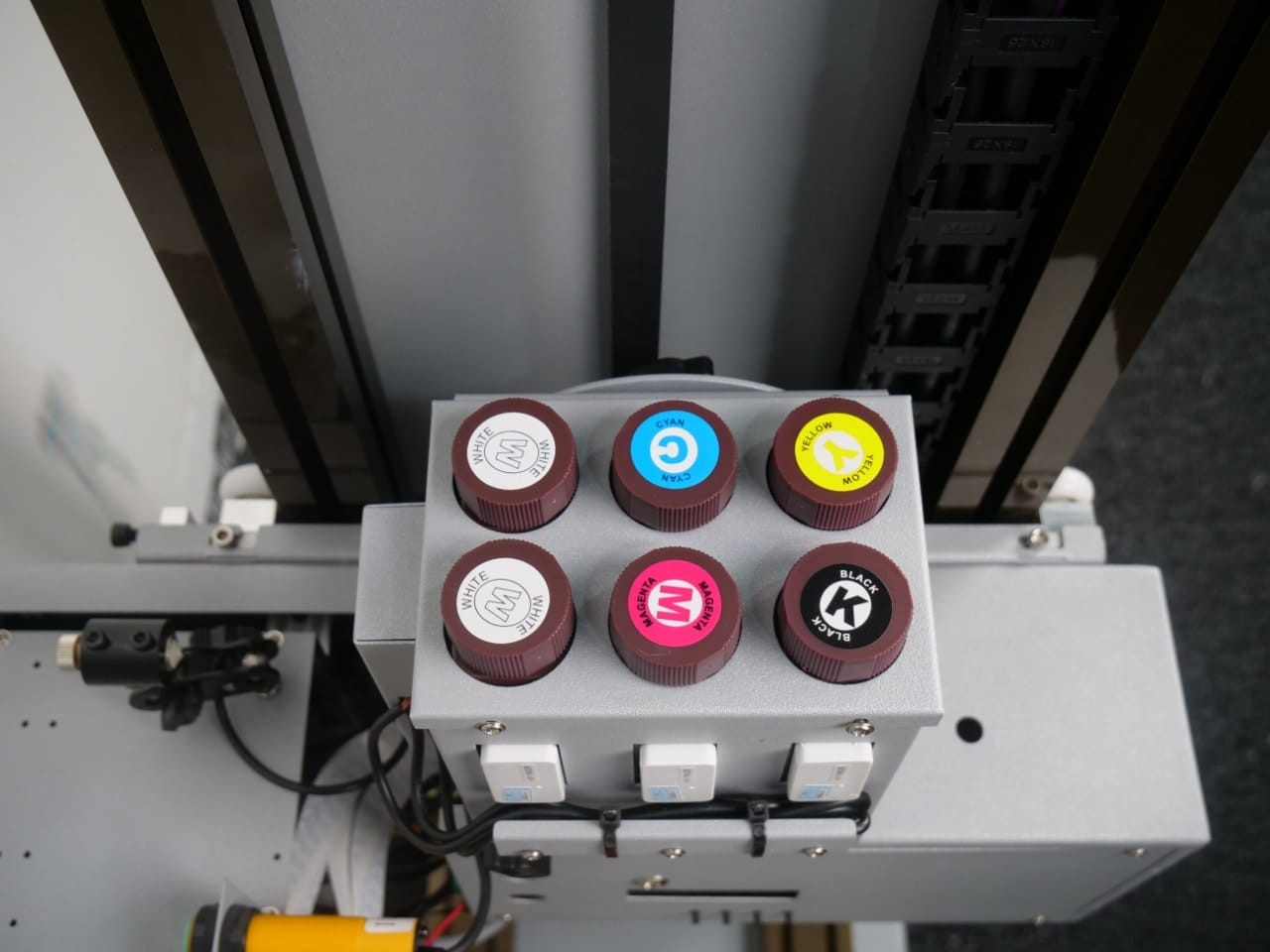
Most modern wall printers use UV-curable ink because it cures quickly under UV LED light and can adhere to many surfaces. But not all walls behave the same — so ink choice is only one part of the result. Your workflow matters too.
UV ink types and why UV matters
UV ink is different from water-based ink. Instead of drying by evaporation, UV ink cures when exposed to UV light, forming a thin polymer film. That’s why wall printing can deliver “print and use immediately” results, especially for commercial spaces.
Why UV curing matters
- reduces smudging and long dry times
- expands printable materials beyond absorbent walls
- improves durability in many real environments
White ink: when you need it and what changes
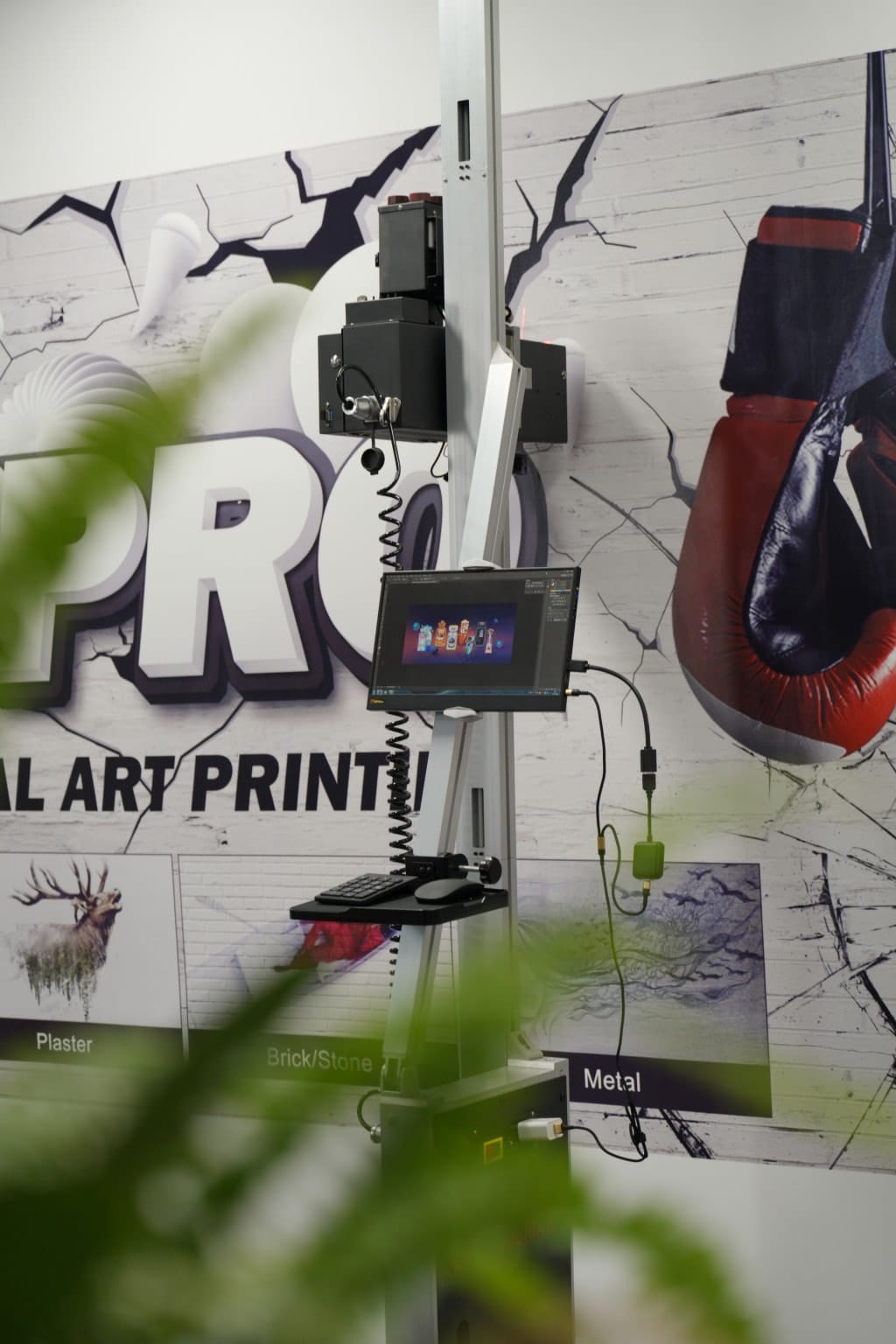
White ink is one of the most searched topics because it changes what you can sell. You typically need white ink when the wall is dark, when you need bright brand colors on colored concrete, or when you want consistent output across mixed wall tones.
White ink can also support premium layered effects in some 2.5D/embossed workflows — but it requires more discipline.
What changes when you use white ink
- you may print a white base layer first, then print CMYK on top
- workflow becomes more sensitive to settings and test patches
- maintenance discipline matters because white ink can behave differently than CMYK
Durability: what affects scratch/water/fade resistance
Clients ask “Is wall printing durable?” The honest answer is: durability depends on surface, preparation, and environment.
- Wall surface and porosityChalky paint and dusty concrete reduce adhesion.
- Surface prepCleaning and sealing can change results dramatically.
- Indoor vs outdoor exposureSunlight and weather are harsher outdoors.
- Traffic levelCorridors and kids zones need more protection.
- Design choiceHeavy solid colors can show scuffs more than textured designs.
A practical way to sell durability
- offer a test patch for approval
- add an optional protective coating for high-traffic environments
- set realistic expectations for outdoor projects
Safety and odor: what to ask your supplier
Many buyers search “low odor wall printer ink” or worry about printing in schools, hospitals, and homes. Ask your supplier:
- Is the UV ink designed for indoor use?
- What ventilation is recommended?
- Do you have guidance for printing in sensitive spaces (kids rooms, clinics)?
- Are there handling and storage instructions (temperature, sunlight exposure)?
A professional supplier should provide basic safety guidance, storage instructions, and cleaning routine documentation.
Internal link Support →Daily ink workflow and maintenance basics
Ink is not “set and forget.” Your real goal is stable output and fewer clogged/nozzle issues. If you treat ink workflow as operations, not chemistry, success rate rises — and ROI improves.
- Follow daily cleaning routinesConsistency beats emergency fixes.
- Store ink correctlyTemperature and light control matter.
- Keep the work area dust-controlledDust becomes defects.
- Run test patches on new surfacesReduce surprises and rework.
- Log issues and solutionsYour team gets faster over time.
Wall Printer quote checklist Send These 7 Items
- Country + city
- Typical wall height range
- Typical job size
- Main wall surfaces
- Indoor only or indoor + outdoor
- Dark walls needed?white ink yes/no
- Power standard
CTA: Send wall types + indoor/outdoor needs → recommended ink workflow + configuration.
Get a quote