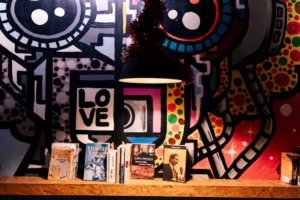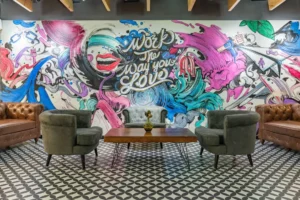
If you are asking how long does wall printing last, the most useful answer is this: indoor wall printing can last for many years, while outdoor wall printing usually has a shorter lifespan.
That is the simple version. The real answer depends on the wall, the environment, and how the printed surface is used over time.
For readers who are new to the category, it also helps to first understand what a wall printer is and how a wall printing machine works in real projects. Printava’s own educational pages frame wall printers as direct-to-wall systems for on-site mural printing, while its ink and support content repeatedly ties output quality to workflow, wall condition, and operator control.
Internal link :
Basic explainer:
Basic explainer:
/wall-printer-what-is-how-it-works/ Internal link :
Machine overview:
Machine overview:
/wall-printing-machine/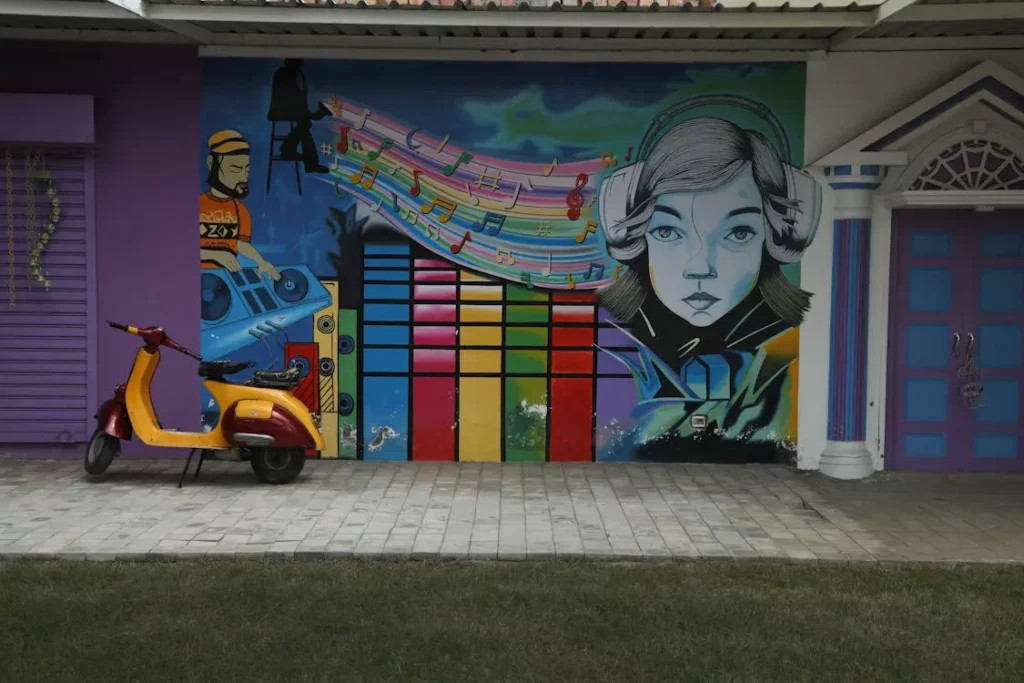
1. Indoor wall printing usually lasts longer
Indoor wall printing usually performs better over time because the environment is more controlled.
A wall inside a home, office, hotel, school, or retail space is generally protected from rain, harsh UV exposure, wind-blown dust, and repeated weather changes. That gives the print a better chance to stay visually clean and stable. Printava’s model guide and product pages position many of its setups around interior murals, branded walls, and controlled commercial environments, which fits this logic.
That does not mean every indoor wall will age the same way. A dry, stable wall in a low-touch area will usually hold up much better than a damaged wall in a humid corridor or a space that gets constant abrasion.
In other words, “indoor” is an advantage, but wall condition still matters.
Internal link :
Product category page:
/vertical-wall-printer/Internal link :
Setup guide page:
/printava-wall-printer-model-guide/ 2. Outdoor wall printing has more wear factors
Outdoor wall printing can still be a strong option, but it needs more caution.
Printava’s outdoor guide makes this clear. It focuses on surface stability, dryness, dust control, weather conditions, and pricing for risk. It also warns that durability expectations should be managed carefully on exterior work.
That is why outdoor wall printing usually has a shorter visual life than indoor work. Even if the print looks great on day one, the wall still has to survive sun, moisture, and environmental exposure after installation.
This does not mean outdoor printing is a bad idea. It means outdoor printing should be sold as a different durability situation, with different expectations and a stricter acceptance standard.
Internal link :
Outdoor guide:
/outdoor-wall-printing/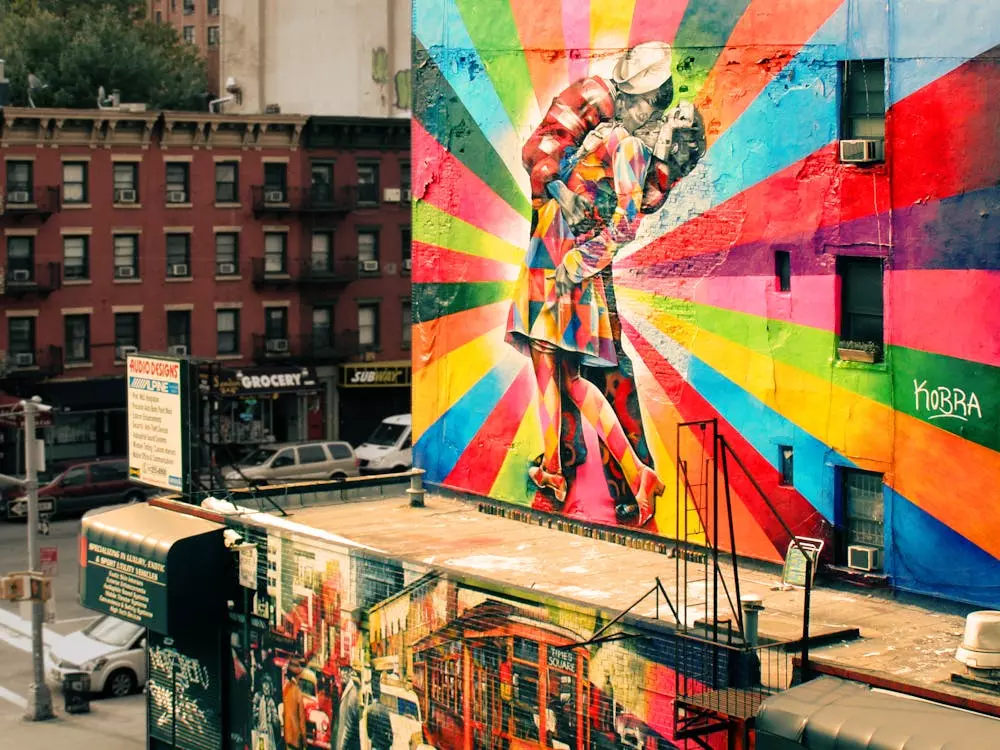
3. Surface prep matters more than most people think
A lot of people think durability is mostly about the machine or the ink.
In practice, the wall itself often matters just as much.
If the surface is dusty, chalky, damp, unstable, or poorly painted, the print may not age well even if the hardware is strong. Printava’s wall printing machine guide explicitly notes that real output depends on the wall, not only the machine. Its white ink guide also treats test patches as essential on risky surfaces, especially dark or difficult walls.
This is why prep is such a big part of durability. A clean, dry, stable wall gives the print a much better foundation.
It is also why professional operators rely on test patches before full production when the substrate looks uncertain.
Internal link :
White ink workflow page:
/white-ink-wall-printer-guide/4. What affects wall printing lifespan?
Several factors affect how long wall printing lasts in the real world.
The first is location. Indoor and outdoor jobs do not age at the same rate. Outdoor jobs simply face more exposure.
The second is wall condition. Smooth, dry, stable walls usually perform better than chalky, cracked, or flaking ones. Printava’s machine and white-ink guides both reinforce that wall quality and test workflow matter to final output.
The third is sunlight and moisture. UV exposure, humidity, and wet conditions create more long-term stress, especially outside.
The fourth is touch level. A quiet feature wall in a lobby is different from a corridor wall that people brush against every day.
The fifth is cleaning frequency. Even a durable print can wear faster when the wall is repeatedly scrubbed or treated with harsh cleaners.
The sixth is workflow discipline. If leveling, test patches, wall acceptance, or setup checks are weak, the final result becomes less predictable. Printava’s comparison and support content both lean heavily into workflow discipline as part of consistent results.
Internal link :
Comparison page:
/printava-wall-printer-comparison/5. How to make wall printing last longer
The best way to improve durability is not flashy. It is operational.
Start with a clean, dry, stable wall. If the surface is questionable, do a test patch first. That is especially important for dark walls, porous walls, or surfaces with uncertain paint quality. Printava’s white-ink and outdoor guides both treat test-patch discipline as a practical risk-control step.
It also helps to be realistic about the environment. A protected indoor wall usually gives a more durable result than a wall exposed to weather or heavy daily contact.
Maintenance and support matter too. Printava’s support page emphasizes installation, leveling, configuration, maintenance guidance, and after-sales support, all of which influence how consistently the machine performs over time.
And basic jobsite discipline matters more than people expect. Printava’s safety guide frames many printing problems as preventable workflow issues rather than “mystery failures.”
Internal link :
Support page:
/printava-wall-printer-support/Internal link :
Safety page:
/wall-printer-safety/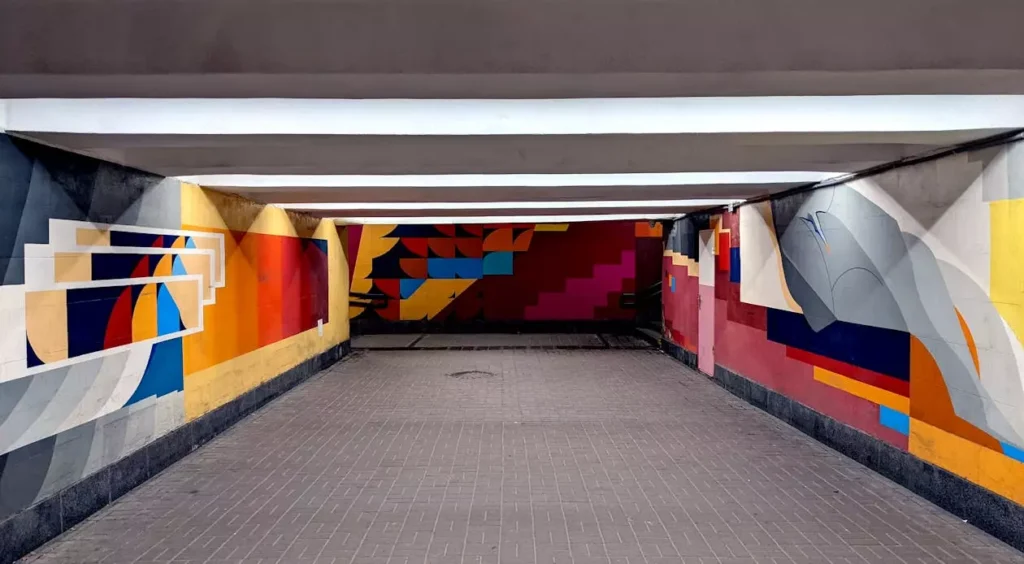
6. Practical answer for buyers
So, how long does wall printing last?
The most honest answer is: it can last for years when the wall is right and the environment is controlled.
That is why interior projects usually make the strongest durability case. They have fewer exposure variables, fewer weather risks, and better overall predictability.
For buyers, the real takeaway is simple. Do not judge durability only by a marketing claim about ink. Judge it by the full system: wall condition, prep quality, workflow discipline, environment, and support.
That is also why lifespan questions connect naturally with pricing questions. A lower-cost setup is not necessarily the better long-term value if it increases rework, weakens consistency, or makes wall acceptance harder to manage. Printava’s cost page frames machine choice around configuration, printhead, workflow, and operating fit rather than sticker price alone.
Internal link :
Pricing page:
/how-much-does-a-wall-printer-cost/ FAQ
Does wall printing last a long time?
It can. In controlled indoor environments with good wall prep, wall printing can remain visually strong for years. Outdoor work usually has more wear factors.
What reduces wall printing lifespan the most?
Poor wall condition, moisture, strong sun exposure, heavy touch, and weak prep are some of the biggest risk factors.
Is wall printing durable enough for commercial spaces?
Often yes, especially for interior brand walls, feature walls, and other controlled environments. Printava’s commercial and model-guide content positions these use cases as strong fits.
Should I test the wall first?
Yes. On uncertain surfaces, a test patch is one of the safest ways to reduce disputes and avoid rework.
CTA
Choose the right wall, prepare the surface properly, and set durability expectations based on the real environment—not just the print itself.